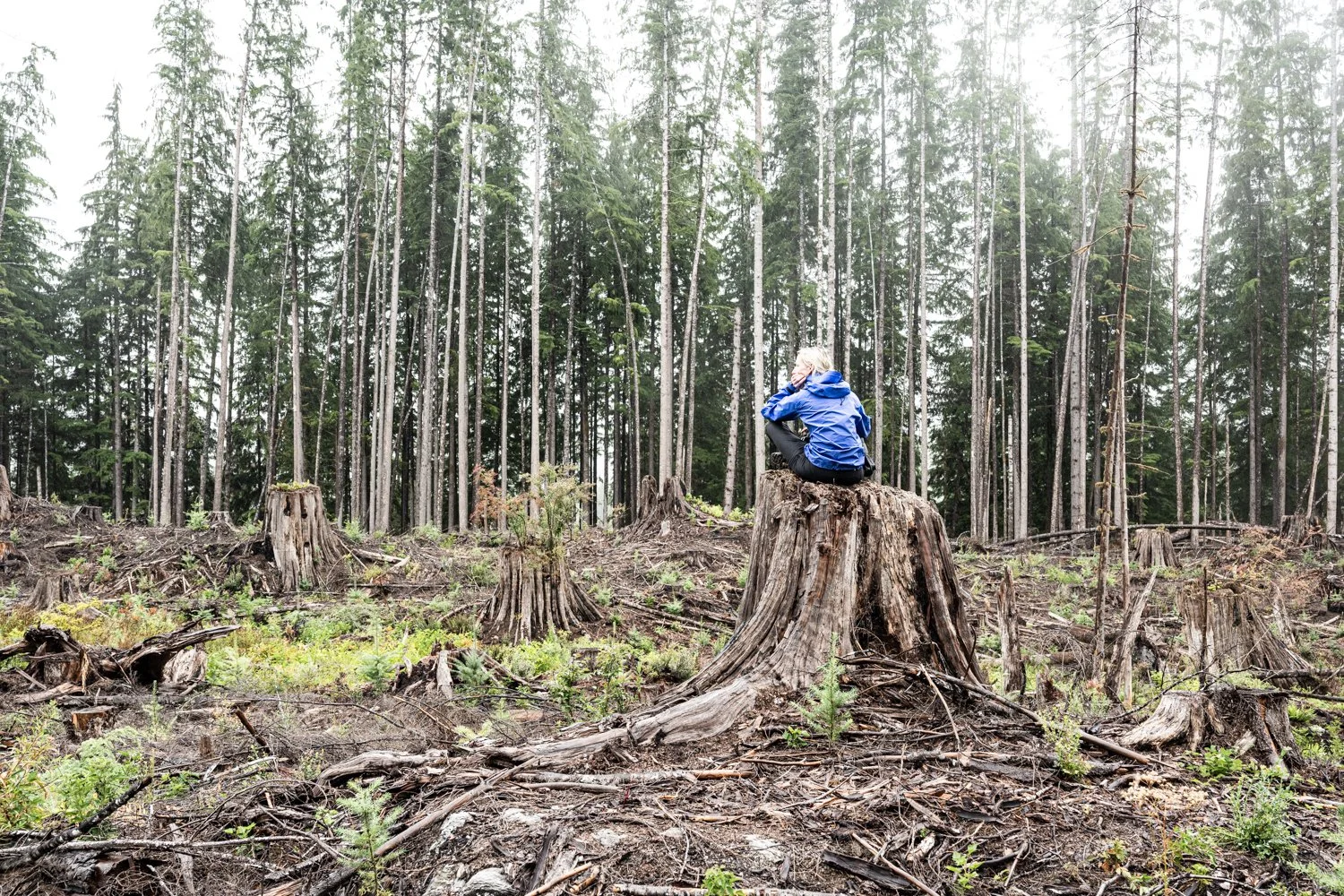
Old Growth, wildfires and the balance we’re losing
The fires burning on Vancouver Island this week are not just a headline. They’re a glimpse into the complex web of climate, ecology, and human decision-making that shapes the landscapes we love.
Old-growth forests are not immune to fire—but they are far better at managing it than the landscapes we’ve replaced them with. Their massive trunks resist ignition. Their closed canopies keep the forest floor shaded and moist. Their root systems store water deep in the soil, releasing it slowly through the dry months. In the right conditions, they can act as natural firebreaks, slowing the spread and lowering the intensity of flames.
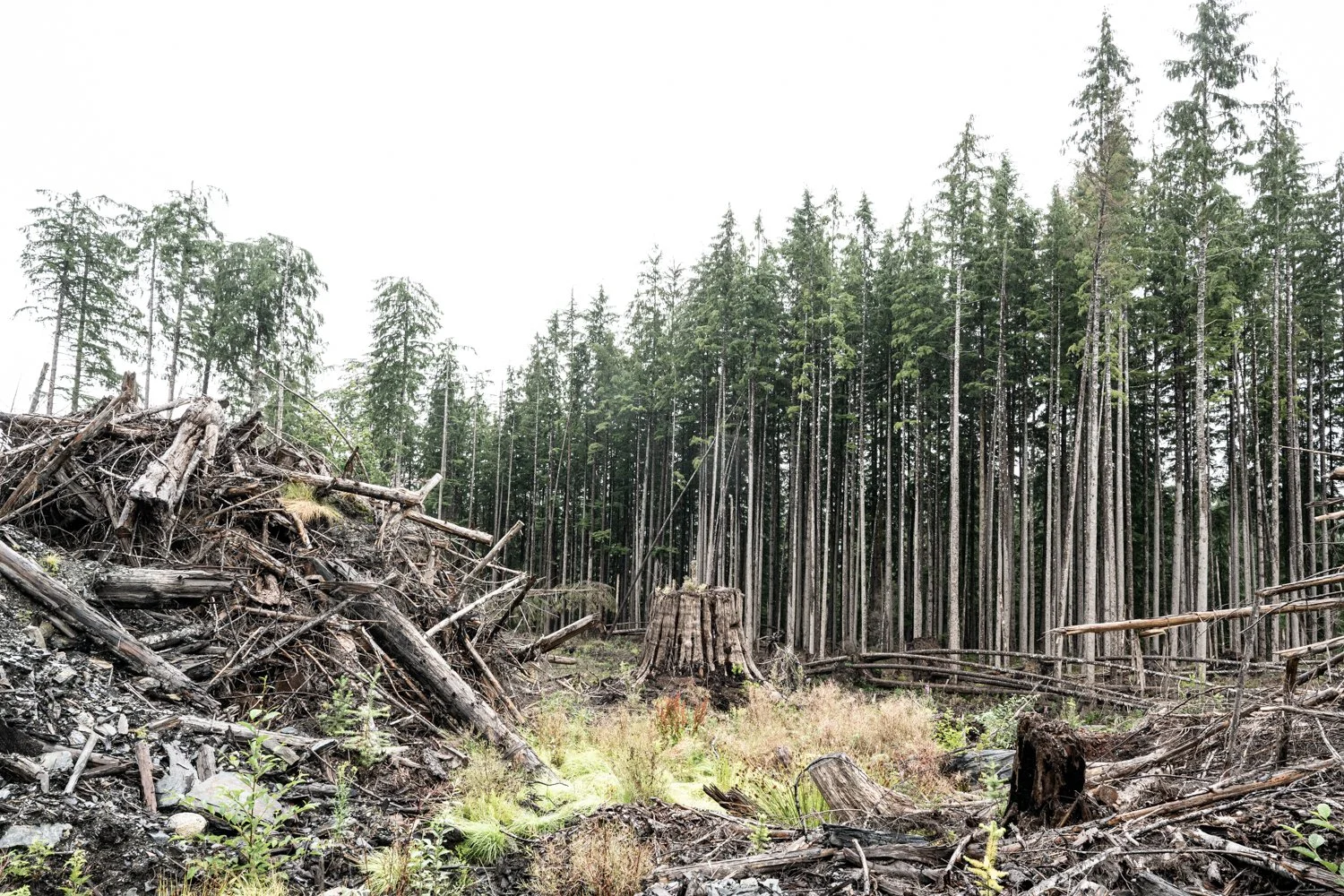
But these ancient systems are vanishing. As temperatures rise and summers stretch longer and hotter, we’ve replaced fire-resistant old growth with younger, drier, more uniform stands—trees that burn faster and hotter. Add in decades of fire suppression, which has allowed dangerous fuel loads to build up, and we’ve created the perfect conditions for the kind of fires we are now seeing more often.
Strategic land management—protecting what old growth remains, restoring natural fire regimes, and integrating Indigenous fire stewardship—offers a way forward. It’s not about eliminating fire; it’s about living with it wisely. These forests have done that for millennia. The question is whether we will let them keep teaching us.
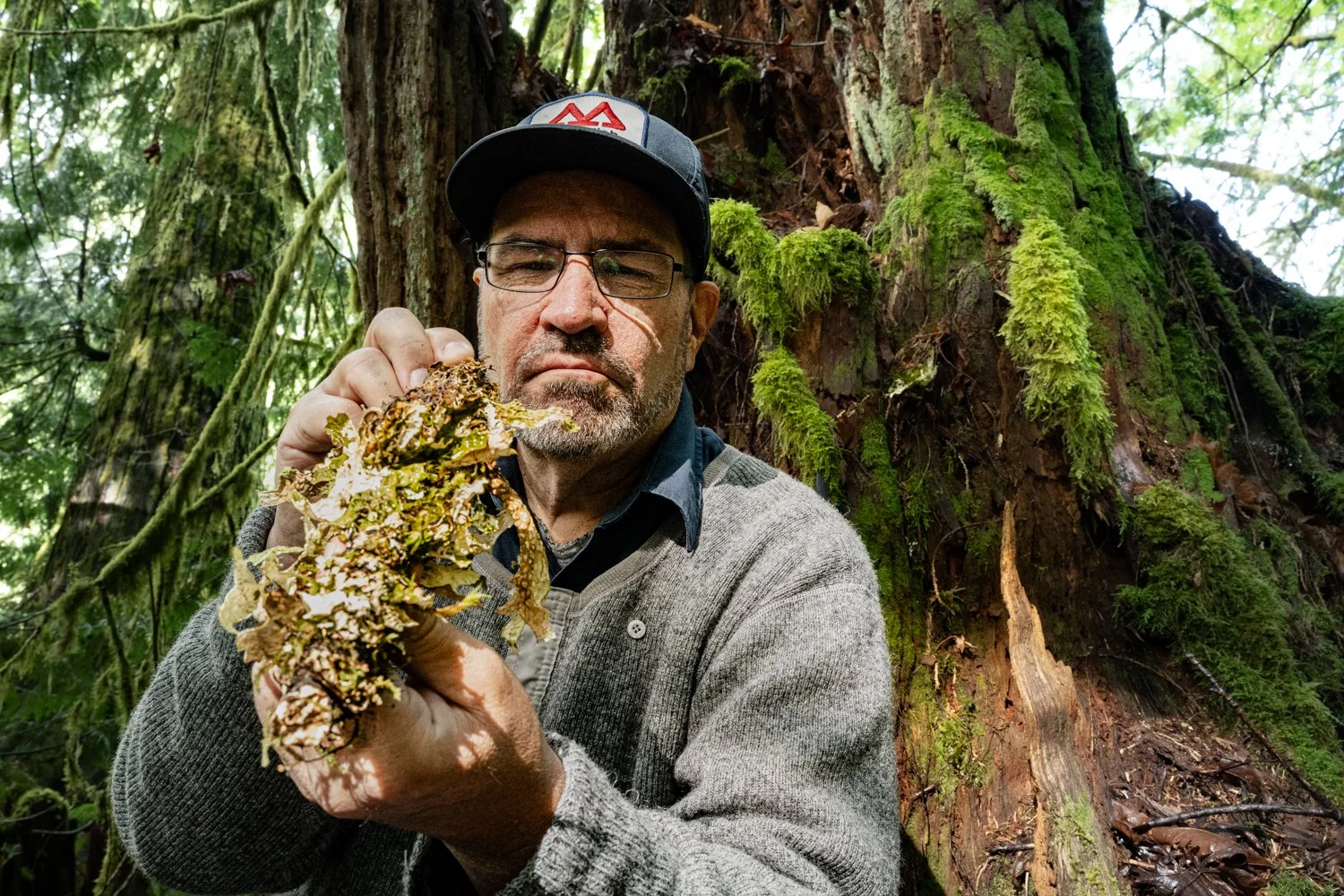
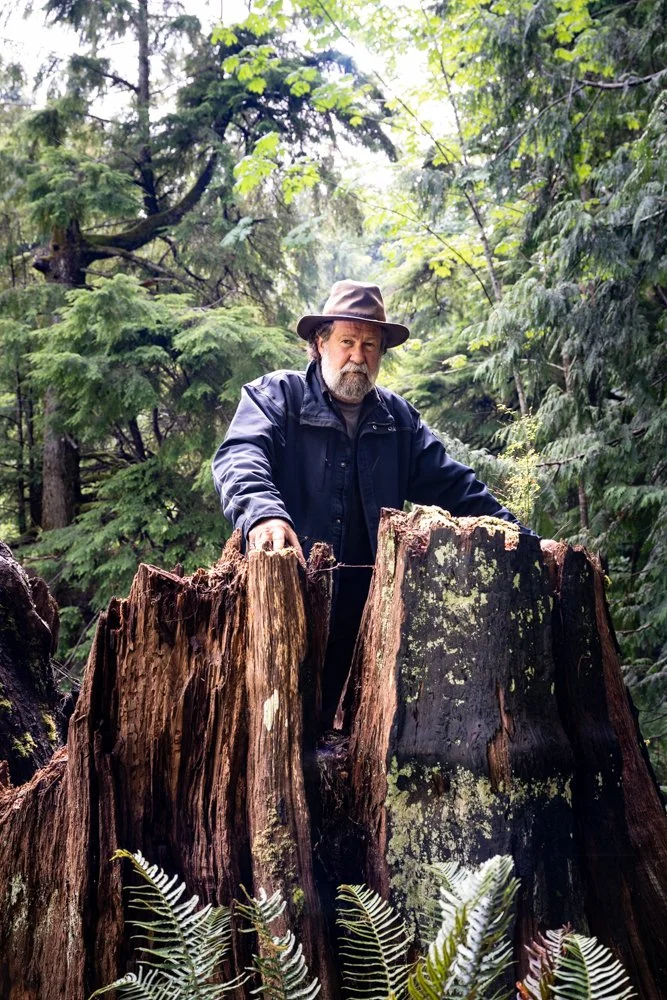
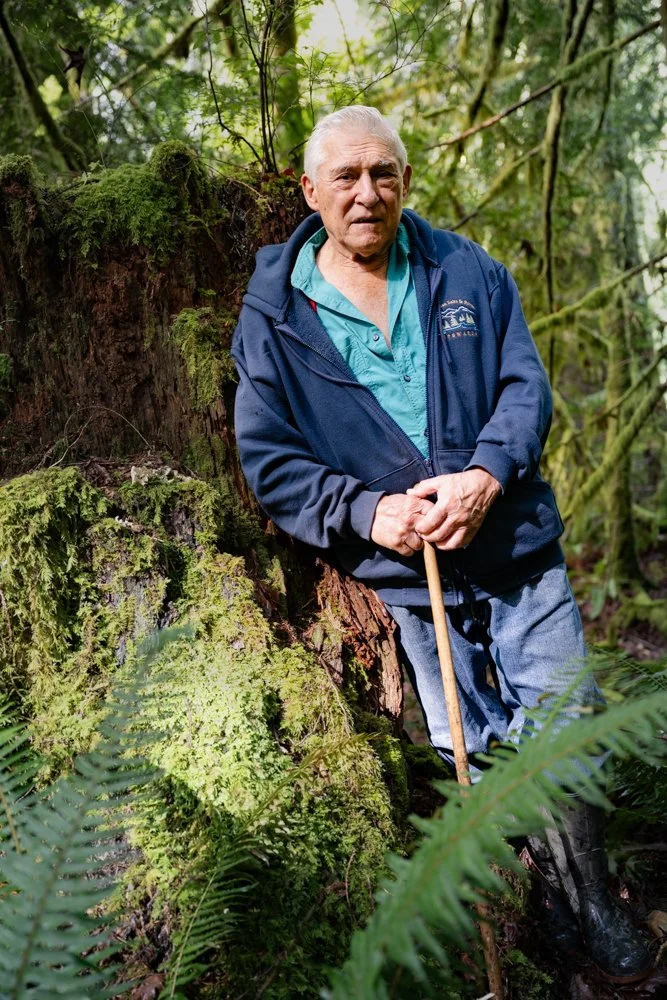
This project I’m working on—documenting the old growth of British Columbia—is about more than beauty. It’s about recording the systems that protect us, even when we don’t see it, and reminding us what’s at stake when they’re gone.